
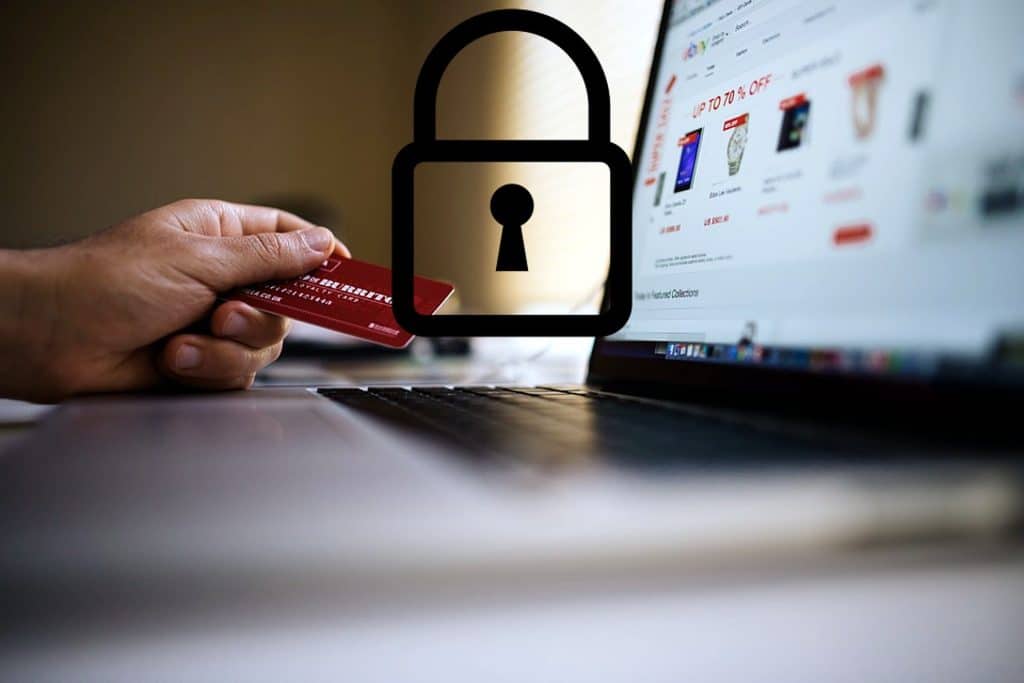
Website security is becoming increasingly important for both users and website owners. One of the simplest and most effective ways to protect your website and its visitors is by using an SSL certificate. But what is an SSL certificate, how does it differ from HTTP, and why is it so important? In this article, we answer these questions.
What is an SSL certificate?
An SSL (“Secure Sockets Layer”) certificate is a digital security protocol that encrypts the data transmitted between a user’s browser and the website server. It ensures that no third parties can intercept or modify this data.
When a website uses SSL, its address begins with “HTTPS” instead of “HTTP”, and a padlock icon is usually displayed in the browser, indicating that the website is secure.
Main benefits of an SSL certificate
- Data protection HTTPS ensures that information (such as passwords and credit card details) is encrypted and securely transmitted between the server and the user. This is especially important for e-commerce websites and other sites that collect sensitive data.
- Increased trust Visitors trust websites that display the padlock symbol in the browser. This increases the likelihood that they will use your services or purchase your products.
- SEO benefits Google has clearly stated that HTTPS is a ranking factor. Websites with SSL have an SEO advantage and can achieve higher positions in search results.
- Protection against attacks HTTPS protects your website from “man-in-the-middle” (MITM) attacks, where data is intercepted or altered. This is especially important when using public networks.
What is the difference between HTTP and HTTPS?
| HTTP | HTTPS |
|---|---|
| Data is transferred without encryption | Data is encrypted |
| Low protection against cyber threats | Protection against MITM attacks |
| No positive impact on SEO | Improves SEO performance |
| No padlock icon | Displays a padlock icon in the browser |
How to get an SSL certificate?
- Use a free SSL Many services offer free SSL certificates, such as “Let’s Encrypt”. This is a suitable solution for smaller websites.
- Buy an SSL certificate If you run an e-commerce store or handle sensitive data, it is worth investing in a paid certificate that provides a higher level of security and additional features.
- Check your hosting Most hosting providers include free SSL certificates in their plans. Review your hosting package.
Why should you switch to HTTPS now?
- Trust and professionalism: HTTPS websites look more reliable to users.
- Legal compliance: Data protection is legally regulated in many countries, and HTTPS helps meet these requirements.
- Improved performance: Some modern browser features only work on HTTPS websites.
Conclusion
An SSL certificate is not only a guarantee of security but also of trust, professionalism, and SEO. Whether you run a small blog or a large e-commerce store, switching to HTTPS is essential to protect your visitors and successfully compete in the market.